
Research Areas
Our main focus is to understand and describe different aspects of the preterm delivery process and child outcomes. We investigate the genetics of birth timing and interactions between genetic and environmental factors, including their roles in preterm and post-term delivery.
We also explore epidemiological relationships associated with preterm delivery and child outcomes, and develop and test methods to improve fetal medicine.
Cohort-Based Genetic Studies
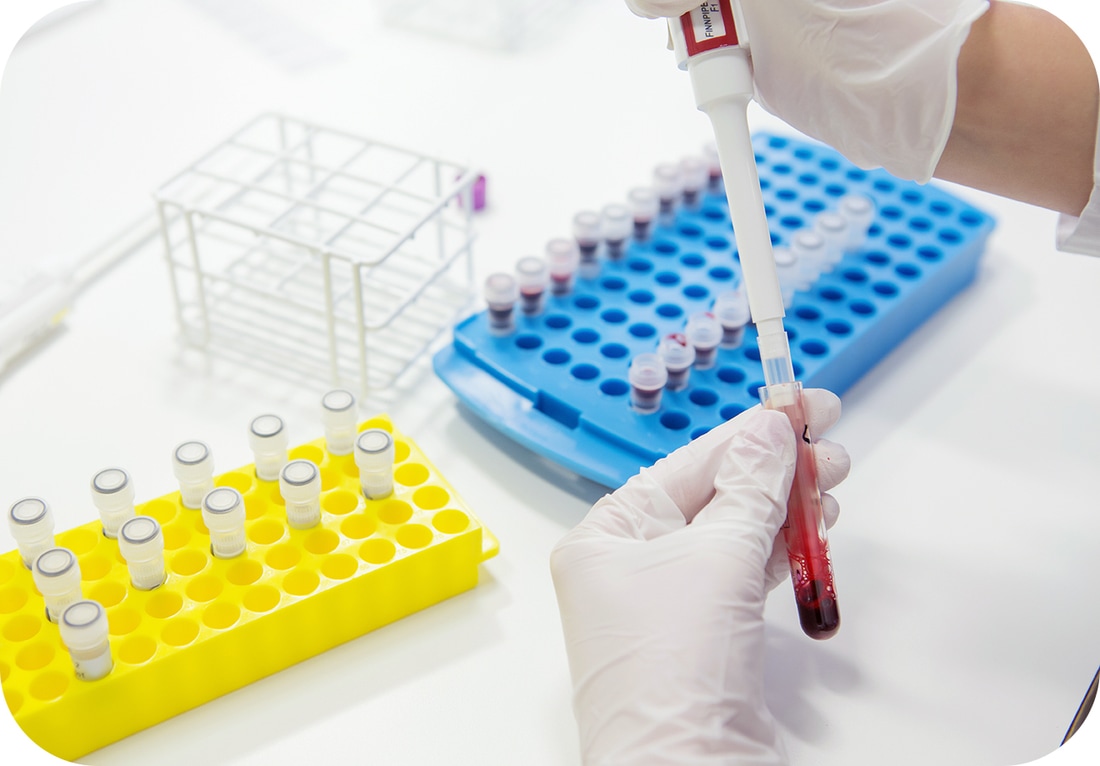
In genome-wide association studies, we investigate genetic data from thousands of mothers and their children to identify genes that play a role in determining the duration of gestation. Understanding these genes may help explain the biology underlying birth timing and the mechanisms of parturition.
In gene–environment interaction studies, we aim to identify women whose genetic profiles make gestational duration particularly sensitive to common environmental exposures, such as caffeine intake, smoking, vitamins, micronutrients, and probiotic products. This research may eventually support more personalized recommendations about diet and supplement use during pregnancy.
Researchers listed on the previous website: Chris Flately and Pol Solé Navais.

Register-Based Epidemiology Studies
We explore incidence and prevalence rates, comorbidities, and heritability estimates for various pregnancy phenotypes. We also investigate common risk factors and predictors of preterm delivery, including maternal height, age, body mass index (BMI), and parity.
Researchers listed on the previous website: Verena Sengpiel, Linda Englund-Ögge, Patricia Johansson, Mahsa Nordqvist, and Tomas Fritz.

Cohort-Based Biomarker Studies
Our biomarker studies have examined proteins and inflammatory markers in maternal serum, amniotic fluid, and cervical fluid in relation to preterm labour and delivery. Research topics in the previous publication list included predicting spontaneous preterm delivery and studying intra-amniotic inflammation and microbial invasion.

Cohort-Based Nutritional Studies
Our large cohort of women provides opportunities to study nutrition during pregnancy. We explore the relationships between dietary and environmental exposures during pregnancy and the risk of preterm delivery. These studies can generate hypotheses about causality that could subsequently be tested in randomized clinical trials.
Researchers listed on the previous website: Verena Sengpiel, Linda Englund-Ögge, Malin Barman, and Mahsa Nordqvist.

Activities
Nordic Network of Fetal Medicine
The Nordic Network of Fetal Medicine (NNFM) held a meeting at Sahlgrenska University Hospital in spring 2015.
For more information, visit nnfm.org.

European Spontaneous Preterm Birth Congress
The second European Spontaneous Preterm Birth Congress (ESPBC) took place in Gothenburg, Sweden, on 26–28 May 2016. The congress was intended as a meeting place for experts from around the world, with a particular focus on the European situation, and was organized with participation from the International Federation of Gynecology and Obstetrics (FIGO).
The meeting aimed to give the international scientific community an opportunity to exchange scientific information and discuss current knowledge and recent findings in spontaneous preterm birth.
For more information, visit espbc.eu.

FIGO and March of Dimes
The group has collaborated with the leadership of the International Federation of Gynecology and Obstetrics (FIGO) and March of Dimes (MOD) on efforts to promote the prevention of preterm delivery worldwide.
For more information, visit FIGO and March of Dimes.

Partnerships
The previous website listed work with a range of international organizations, public institutions, and research networks, including:
- The National Board of Health and Welfare (Sweden)
- Statistics Sweden
- World Health Organization (WHO) / Partnership for Maternal, Newborn & Child Health (PMNCH)
- March of Dimes (MOD)
- International Federation of Gynecology and Obstetrics (FIGO)
- European Spontaneous Preterm Birth Congress (ESPBC)
- Nordic Network of Fetal Medicine (NNFM)
- Preterm Birth International Collaborative (PREBIC)
- Norwegian Institute of Public Health (NIPH)
Funding
Funding is essential for advancing our research. The group has received support from national and international organizations, foundations, and research councils, with funding obtained largely through competitive grant processes.